The Decentralized Future: How Web3 and Blockchain are Changing Business Practices

Introduction

The emergence of Web3 and blockchain technologies is changing how businesses operate in many different sectors. The conventional centralised paradigms are being replaced by creative frameworks that make use of blockchain’s decentralisation, security, and transparency as we transition to a decentralised future. This article examines how Web3 and blockchain technologies are transforming operations and promoting efficiency, trust, and a new level of cooperation.

Comprehending Web3 and Blockchain

Blockchain as the basis:

Fundamentally, distributed ledger technology—which makes record-keeping safe, transparent, and impenetrable—is what blockchain is all about. Blockchain ensures that everyone has access to the same data by running on a decentralised network of computers, in contrast to conventional databases. This lowers the possibility of fraud and manipulation by doing away with the need for a central authority. Users’ faith in blockchain records is increased by their immutability, which also creates new opportunities for applications outside of cryptocurrency.

Web3: The Upcoming Development

Web3 expands on the decentralisation concepts introduced by blockchain technology. It imagines a future in which people have more authority over their interactions, digital identities, and data on the internet. Peer-to-peer transactions, enhanced user privacy, and a move away from dependency on centralised systems are characteristics of Web 3. Web3, which uses blockchain as its underlying technology, seeks to build a more user-centred and egalitarian digital world.

Blockchain-Based Operational Transformation

Supply Chain Management: The introduction of transparency and traceability via blockchain technology is transforming supply chain management. From production to distribution, every stage of the supply chain may be tracked on an unchangeable blockchain. In addition to decreasing inefficiencies and minimising fraud, this guarantees that all parties involved in a product have real-time insight into its path and improves the overall robustness of the supply chain.

Automation and Smart Contracts: One of the main components of blockchain technology is smart contracts, which are self-executing agreements with stipulations encoded directly into code. They eliminate the need for middlemen by automating and enforcing contractual agreements. Smart contracts simplify operations by automating procedures like compliance monitoring, contract execution, and payment processing. This speeds up transaction times while simultaneously lowering the possibility of mistakes.

Decentralized Finance (DeFi): By offering decentralised substitutes for conventional banking services, DeFi is on the rise and changing the financial landscape. Users no longer need to depend on conventional financial institutions to access lending, borrowing, and investing services, thanks to blockchain-powered platforms. This decentralised strategy lessens reliance on centralised organisations while simultaneously boosting financial inclusion.

Web3: A Revolution in Digital Communication Paradigms

User Control over Data: In today’s digital environment, centralised systems often gather and manage user data. With Web3, consumers will have more control over their data, which aims to shift this paradigm. People may maintain their digital identities across several platforms using decentralised identity systems, which lowers the possibility of data breaches and improves privacy.

Web3 presents the idea of distributed apps, or DApps, which operate on a blockchain network as opposed to a centralised server. DApps make use of blockchain’s decentralised structure to provide consumers with more security and dependability. This change promotes a more resilient digital ecosystem by opening the door for a new wave of apps that are impervious to censorship and single points of failure.

Digital Assets and Tokenization: Web3 presents the idea of tokenization, which is the process of converting physical assets into digital tokens that are stored on a blockchain. This has significant effects on operations as it makes it possible for assets to be owned in fractions, makes transactions quicker and more transparent, and opens up new avenues for financing and crowdsourcing.

Obstacles & Things to Think About:

Scalability is an important factor to take into account as Web3 and blockchain technologies gain traction. It is difficult for the present infrastructure to manage several transactions at once. Research and development are being done to solve scalability difficulties with improvements to consensus algorithms and layer 2 solutions.

Regulatory Framework: The decentralised characteristics of Web3 and blockchain technologies provide regulatory systems with difficulties. Maintaining a responsible use of these technologies requires striking a balance between innovation and regulatory compliance.

In summary

Blockchain and Web3 are enabling a decentralised future that is revolutionising several sectors by bringing about a paradigm shift towards transparency, security, and user-centricity. The effect of these technologies is immense, ranging from supply chain management to decentralised banking and the redesign of digital relationships.

Organizations must negotiate the hurdles of this new era, be flexible, and look for methods to incorporate Web3 and blockchain technology into their daily operations. Although there are challenges on the path to a decentralised future, the advantages in terms of productivity, trust, and innovation make it an appealing course for operations development in the digital era.

References

Nakamoto, S. (2008). Bitcoin: A Peer-to-Peer Electronic Cash System.

    Mougayar, W. (2016). The Business Blockchain: Promise, Practice, and Application of the Next Internet Technology. John Wiley & Sons.

    Tapscott, D., & Tapscott, A. (2016). Blockchain revolution: how the technology behind Bitcoin and other cryptocurrencies is changing the world. Penguin.

    Antonopoulos, A. M. (2014). Mastering Bitcoin: Unlocking Digital Cryptocurrencies. O’Reilly Media.

    Buterin, V. (2013). Ethereum: A Next-Generation Smart Contract and Decentralized Application Platform. Ethereum Foundation.

    Cross-Cultural Marketing: Adapting Strategies for Diverse Consumer Bases

    To flourish in today’s globalised world, firms must navigate the complexity of varied customer bases. Cross-cultural marketing has evolved as an essential component of this journey, requiring businesses to understand the complexities of cultural intelligence. This article goes into the problems and potential of cross-cultural marketing, emphasising the need to develop tactics that appeal to a wide range of people while maintaining brand consistency.

    Real-life Example: Accepting Festivals Across Borders

    Analysis:

    One stunning real-life example of effective cross-cultural marketing is how global firms change their methods to celebrate international festivals. Consider how foreign businesses celebrate Diwali, a big Indian holiday. Companies like Coca-Cola, Google, and Amazon have adjusted their marketing strategies to include Diwali themes, demonstrating knowledge and regard for the festival’s cultural importance.

    Research on festival traditions, values, and rituals is crucial for understanding their cultural significance. Companies that engage in cross-cultural marketing perform extensive research to ensure that their advertisements are not only courteous but also connect with the emotional and cultural characteristics of their target audience.

    Examining the effectiveness of these advertisements highlights the significance of authenticity. Brands that go beyond superficial recognition of cultural events and engage in real discussion with their target audience build trust. The use of cultural aspects, such as traditional symbols or greetings, demonstrates a desire to understand and respect the culture rather than exploit it for profit.

    Effective cross-cultural marketing at festivals requires a grasp of cultural variety. Recognizing geographical differences in how festivals are celebrated helps companies customize their messaging more successfully. A one-size-fits-all strategy has been replaced by sophisticated techniques that respond to the distinct interests of various customer categories.

    Nuances of Cross-Cultural Marketing

    Cross-cultural marketing requires a thorough awareness of cultural sensitivity. What is tolerated or even applauded in one culture may be interpreted differently in another. Companies that engage in cross-cultural marketing prioritise cultural sensitivity training for their employees to minimise inadvertent mistakes that might harm brand reputation.

    To maximise the benefits of cultural knowledge, marketing strategies should prioritise inclusion. This includes using varied representations in commercials, recognising and honouring different cultural conventions, and taking linguistic subtleties into account. For example, a sentence that sounds pleasant in one language may have unexpected meanings in another.

    Local alliances and collaborations may boost cross-cultural marketing effectiveness. Local insights give essential information about consumer behaviour, tastes, and the cultural context in which marketing messages will be perceived.

    Maintaining brand continuity while promoting diversity is a careful balancing act. Successful global businesses have perfected this skill by developing a core set of values and a visual identity that cross-cultural barriers. However, they allow for modifications in communication techniques, images, and text to reflect the subtleties of each culture.

    Align cultural adjustments with the brand’s basic principles. Brands that effectively incorporate cultural components ensure that the additions are consistent with the overall message and purpose, resulting in a seamless experience for customers across several regions.

    Adaptability is a key brand feature in cross-cultural marketing due to the rapid rate of change. Brands that are ready to develop and learn from their encounters with different customer bases build stronger bonds. This flexibility is both reactive and proactive, anticipating cultural developments and keeping ahead of the curve.

    Conclusion: Harnessing the Power of Cultural Intelligence

    Cross-cultural marketing is more than just a fad; it represents a fundamental change in how firms interact with their consumers. By digging into the complexities of cultural intelligence, businesses can create ads that cross boundaries and develop true relationships with a varied audience. The real-life example of celebrating festivals across borders demonstrates the potential influence of culturally sensitive initiatives. As organisations traverse the global marketplace, the capacity to adapt, comprehend, and appreciate multiple cultures becomes more than a competitive advantage; it is a must for long-term success.

    Navigating the Future: Trends and Innovations in Product Management

    Introduction

    The dynamic area of product management, which sits at the nexus of business, technology, and user experience, is undergoing a revolutionary shift. Understanding the most recent trends and the direction that product management is taking is essential for businesses looking to remain ahead in a market that is becoming more and more competitive. This article examines major developments that may impact product management in the future, with an emphasis on the incorporation of artificial intelligence (AI).

    Current Product Management Trends

    Data-Driven Decision Making: A key component of successful product management, data-driven decision making has emerged. Product managers may learn a great deal about user behaviour, preferences, and pain issues thanks to the wealth of user data. Product managers may make well-informed choices and guarantee that product development meets customer expectations by using analytics and user feedback technologies.

    User-Centric Design Thinking: In the field of product management, user-centric design thinking is still quite popular. For products to be developed that really meet the demands of end users, a strong focus on comprehension and empathy with them is essential. The design process relies heavily on methods like usability testing, prototyping, and user interviews to make sure the end product lives up to user expectations and provides a smooth experience.

    Integration of Agile and DevOps: DevOps techniques and the Agile methodology have evolved into industry standards for product development. These approaches encourage cooperation, iterative development, and continuous integration, which enables product teams to react quickly to changing needs. Agile and DevOps work together seamlessly to create a culture of efficiency and agility in product development cycles.

    Tools for Remote Collaboration: As remote work has become more common, Product Management has had to implement sophisticated tools for collaboration. For globally distributed product teams, platforms that enable remote communication, task tracking, and document sharing have become indispensable. Even in the age of remote work, efficient collaboration in virtual environments is essential to maintaining the efficiency of product development.

    Product Management’s Future

    AI Integration in Product Management: Artificial Intelligence (AI) integration is a key component of product management’s future. By providing predictive insights, automating repetitive operations, and improving decision-making processes, artificial intelligence (AI) shifts paradigms. Large-scale datasets may be analysed by machine learning algorithms, giving product managers insightful information about user behaviour, market trends, and feature prioritisation.

    AI-powered personalisation: Product managers may now provide consumers very customised experiences thanks to AI. Product managers are able to customise features and suggestions by using predictive analytics, which leverages AI algorithms to anticipate customer preferences and behaviours. Customisation raises customer engagement and loyalty in addition to improving user pleasure.

    AI-Driven Product Roadmaps: Product roadmapping is impacted by AI’s predictive powers. AI can help product managers create dynamic and flexible roadmaps by analysing market trends, historical data, and user input. This encourages a proactive approach to product planning by guaranteeing that product development is in line with changing customer expectations and market needs.

    Artificial Intelligence-driven chatbots and virtual assistants are fast becoming essential elements of product interfaces. By offering real-time help, responding to inquiries, and assisting users with different functions, these intelligent agents improve user interactions. Chatbots that are integrated into products boost customer satisfaction by streamlining user experiences.

    Challenges and Considerations in AI Integration

    Although there is a lot of promise for integrating AI into product management, there are several obstacles to overcome. Crucial factors to take into account include protecting data privacy, correcting algorithmic biases in AI, and upholding moral principles. Product managers also need to know how to comprehend and act upon AI-generated insights, as well as negotiate the learning curve involved in integrating AI technology.

    In summary

    There is no denying that technology will play a major role in product management in the future, with artificial intelligence leading the way. Product management will reach new heights with AI integration as long as companies maintain their use of Agile methodology, data-driven processes, and user-centric design. Product managers will be in a better position to negotiate the challenging terrain of changing trends, market dynamics, and customer expectations if they are armed with AI-driven insights.

    Keeping up with emerging trends and technology is not only beneficial in this innovative period, but also essential for companies hoping to take the lead in the highly competitive field of product creation.

    Rise Of Data Monetization and How High-Performing Companies Lead in Leveraging Analytical Potential

    In this day and age of digital technology, data has become the new currency, which is driving innovation, influencing decision-making, and leading to the transformation of industries. With the exponential development of data collection, storage, and processing capabilities, organisations are increasingly seeing the benefit of data monetization, which is the activity of producing money from data assets. This is a technique that has become more widely recognised. Companies that are functioning exceptionally well are at the forefront of this data revolution. They are using their analytical capacity to uncover new sources of value and acquire a competitive advantage in the market.

    Comprehending the Subject at Hand

    The term “data monetization” refers to the process of transforming data into marketable economic value via a variety of methods. These methods include the sale of data products, the provision of services that are driven by data, and the use of data to effectively optimise corporate processes. The most successful businesses are those that understand that data is not just a strategic asset but also a powerful instrument that can be used to drive growth, innovation, and operational efficiency.

    Recommendations for Innovation High-performing businesses make use of creative tactics and technology to successfully capitalise on the increase in data monetization. The deployment of advanced analytics and machine learning algorithms is one strategy that may be taken to obtain meaningful insights from large datasets that include a variety of different types of information. Companies can foresee market trends, identify new opportunities, and optimise resource allocation when they leverage the power of predictive analytics.

    In addition, high-performing businesses adopt a culture of data-driven decision-making, which means that the insights obtained from data analytics are used to influence strategic planning, product development, and efforts aimed at increasing consumer engagement. To do this, it is necessary to make investments in data literacy training for personnel at all levels of the organisation and to build comprehensive data governance structures to guarantee the accuracy, privacy, and security of data assets.

    Originality

    The capacity of high-performing organisations to innovate and pioneer new ways of monetizing data is what differentiates them from other comparable businesses. For instance, some businesses are investigating the possibility of establishing “data marketplaces,” which would allow them to purchase, sell, or trade data with other organisations to open up new income streams and improve their position in the market. Others are using blockchain technology to develop platforms that are both safe and transparent for data sharing and monetization. This helps to ensure that data transactions are conducted with trust and accountability.

    Companies with high levels of performance are aware that the process of monetizing data is not a one-size-fits-all endeavour. Instead, it calls for a method that incorporates several facets, including data gathering, analysis, interpretation, and dissemination throughout the process. Collaboration across functional areas within an organisation, such as information technology (IT), marketing, finance, and operations, is required for effective data monetization strategies. This is done to ensure that the strategies correspond with the organization’s business goals and to maximise the value of the data assets.

    Practicality

    Although the idea of monetizing data may seem intimidating, high-performing businesses are aware that the key to success is to begin with a modest scale, concentrate on achieving fast wins, and iterate depending on feedback and outcomes. To do this, it may be necessary to conduct pilot projects for new data monetization efforts in certain business units or markets, evaluate the effect of these approaches, and progressively expand successful initiatives.

    Furthermore, firms that are successful in their endeavours acknowledge the need to be agile and adaptable to deal with the ever-changing dynamics of the market and the breakthroughs in technology. They keep a close eye on the developments in the business, experiment with new technologies, and change their data monetization tactics appropriately to remain one step ahead of the competition.

    Conclusion

    In conclusion, the growth of data monetization gives high-performing firms possibilities that have never been seen before. These opportunities allow these companies to unlock new sources of value, drive innovation, and acquire a competitive advantage in the competition. Utilizing their analytical capabilities, adopting a culture of data-driven decision-making, and pioneering creative methods for data monetization are some of how these organisations are transforming sectors and reinventing the future of business. Organizations that are proactive in leveraging the potential of data will be in the best position to prosper in the digital economy of the future. This is because the data will continue to multiply and change.

    Disrupting the Past: Unraveling the Threads of History with 21st Century Technology

    Introduction

    Important turning points have influenced the development of countries and civilizations throughout history. What if we could go back in time to those pivotal moments and bring the disruptive technologies of the twenty-first century? Would history unravel, or would it create a tapestry of advancement and creativity? This exercise in contemplation invites us to investigate the possible influence of contemporary technology on historical occurrences. Now let’s go back in time and explore how technological advancements such as 3D printing and artificial intelligence (AI) may have changed significant historical events.

    Industrial Revolution: A Harmony of Productivity

    The Industrial Revolution began in the 18th and 19th centuries and was characterised by the fast expansion of factories and the mechanisation of output. Nonetheless, industries faced enormous logistical hurdles. What if artificial intelligence (AI) had been able to manage the Industrial Revolution’s supply chain? Warehouses equipped with AI technology might precisely plan the flow of products, optimise inventory, and forecast demand. With less waste and more efficiency, this clever supply network may have further advanced the Industrial Revolution.

    AI’s real-time analysis of massive volumes of data has the potential to transform decision-making and enable firms to quickly adjust to shifting market circumstances. Such efficiency may have far-reaching implications for working conditions, global commerce, and economic development.

    The D-Day Landings in Normandy: A 3D-Printed Story

    Though the June 6, 1944, landings in Normandy were a logistical success, what if the arsenal had included 3D printing? There could have been a revolutionary effect on the battlefield. The use of 3D printing technology has made it possible to produce a wide range of goods on-site, including medical supplies and spare parts for damaged cars. Field hospitals might produce prosthetic limbs and life-saving medical equipment on demand in a D-Day scenario where everything is 3D printed.

    The military operations would have been more robust if there had been less dependence on conventional supply routes. Medical institutions could make necessary adjustments without having to wait for shipments, and soldiers could swiftly replace broken equipment. The flexibility of 3D printing during the crucial Normandy invasions may have altered the course of the conflict and saved many lives.

    The First Cruise of the Titanic: A Wireless Lifeline

    One of the most notorious marine tragedies in history is the sinking of the Titanic in 1912. Regulating marine safety was significantly altered as a result of the catastrophe, but it’s interesting to imagine the situation with current communication

    methods. The result may have been quite different if satellite communication technology from the twenty-first century had been available.

    A more effective coordination of rescue attempts and real-time information on the position of the iceberg may have been made possible via satellite-based communication. Advanced navigation systems may have forewarned the crew of potential dangers. The use of drones for monitoring and rescue operations would have significantly increased the likelihood that passengers and crew would survive.

    The Space Race: A Time-Traveling Quantum Leap

    The Space Race, which pitted the US and the USSR against one another, was the main feature of the mid-20th century. The use of cutting-edge technologies like satellites and rockets characterized this era. Imagine now how quantum computing might have affected the space race.

    The development of tools for space exploration may have accelerated due to the speed at which quantum computing can process complex computations. With previously unheard-of precision, rocket trajectories, planetary landings, and space missions could have all been simulated. This quicker pace may have resulted in more solar system exploration, early moon landings, and perhaps even a change in the Cold War era’s geopolitical environment.

    Wrapping Up: Getting Around in the Waters of Imaginary History

    It becomes clear as we make our way through this made-up history that the arrival of 21st-century technology may have changed the path of important historical events. Artificial intelligence, 3D printing, satellite communication, and quantum computing have the potential to have a huge effect on historical events like the Industrial Revolution, the Normandy landings, and even the tragic journey of the Titanic.

    We are prompted to consider the fine line that separates progress from unintended effects by this thinking exercise. Even though these disruptive technologies promise efficiency, creativity, and better results, there are a lot of unknowns when they are used in historical situations. Recognizing that history is a complex interplay of human inventiveness, social dynamics, and the technical fabric that unites them is vital as we look to the future and learn from the past.

    DISCLOSING THE CORPORATE CHESSBOARD: INTERPRETING MODERN BUSINESS APPROACHES

    In today’s ever-changing corporate environment, the conventional boardroom is no longer the only place where plans are developed. A new story is emerging beyond the walls of wood tables and leather seats, one that reaches into the intricate network of international markets, innovative technology, and changing consumer needs. For any management aficionado, knowing and comprehending the most recent business methods, frameworks, and trends is essential in this age of perpetual change.

    USING STRATEGIC AGILITY IN THE DISRUPTION AGE

    In the disruptive era, strategic agility has emerged as an essential component of success. Successful businesses are characterised by their capacity to quickly pivot and adapt in the face of extraordinary difficulties faced by the business sector. Examining case studies of agile startups and well-established companies provides an important understanding of the workings of successful business plans. Real-world examples are used to illustrate the dynamic of strategic agility and show how businesses may overcome unanticipated obstacles to become stronger.

    THE ROLE OF DIGITAL TRANSFORMATION AS A KEY ACCELERATOR

    One notable force that is transforming corporate landscapes across a variety of sectors is digital transformation. The essay explores how businesses are using technology as a primary driver of change rather than just a tool. We go into great depth on the tactics used to negotiate the complex junction of artificial intelligence, data analytics, and customer-centric design. Empirical instances demonstrate how businesses are effectively incorporating digital transformation into their business plans to maintain a competitive edge in the marketplace.

    ECO-AWARE BUSINESS

    Redefining corporate tactics is another aspect of eco-conscious business. Businesses are realising the value of sustainability in the modern economy, which goes beyond profit margins. The essay explores how businesses are using cutting-edge frameworks that put environmental responsibility first without sacrificing bottom-line results. Case studies of prosperous, environmentally aware companies provide insight into the tactics used, from circular economies to green supply networks, providing a thorough grasp of sustainable business methods.

    GETTING THROUGH THE MAZE OF THE GLOBAL SUPPLY CHAIN

    For organisations, navigating the complex global supply chain offers possibilities and problems. The paper looks at the methods businesses use to manage the challenges posed by an international supply chain. An in-depth examination of technology’s function, risk mitigation techniques, and resilience planning gives readers knowledge on how to guarantee a smooth cross-border flow of products and services. Real-world examples highlight the need for flexibility and forethought in navigating the intricate global supply chain network.

    THE HUMAN FACTOR IN BUSINESS PLANS

    Technology has advanced, yet effective business plans still depend on the human factor. To promote innovation and long-term success, the essay looks at how businesses reevaluate their approaches to talent management, employee engagement, and corporate culture. Human-centric case studies show how productive workplace culture, contented workers, and general corporate performance are all linked. The relevance of the human touch in corporate plans is emphasised as techniques for luring and keeping top personnel in the cutthroat business world are examined.

    FOLLOWING PANDEMICS

    The COVID-19 epidemic has had a significant impact on businesses all over the world, prompting a thorough review of strategies and plans. The essay looks at how businesses are adjusting to the post-pandemic environment, emphasising digital acceleration, resilience planning, and remote employment. Empirical instances demonstrate how companies have effectively shifted their focus within the epidemic, using inventive tactics to not only survive but even prosper in the face of hardship. The pandemic’s lessons provide important information on how to prepare companies for unanticipated obstacles in the future.

    THE DEVELOPMENT OF CORPORATE GOVERNANCE

    In the ever-changing world of business, the development of corporate governance plays a key role. The essay examines how contemporary companies are reinventing governance frameworks to conform to moral principles, social obligations, and stakeholder needs. Case studies examine prosperous instances of businesses that have adopted accountable and transparent governance procedures, demonstrating the beneficial effects on their reputation and long-term viability.

    ECOSYSTEMS OF INNOVATION AND TRANSPARENT COOPERATION

    The paper looks at how open collaboration and innovation ecosystems are becoming more and more important in determining company strategy. It looks at how businesses are using alliances, teamwork, and open innovation platforms to foster innovation and maintain a leading position in their respective fields. Successful innovation ecosystems are shown via real-world examples, illustrating how businesses may use collective intelligence to solve problems and grab opportunities in a market that is changing quickly.

    ARTIFICIAL INTELLIGENCE’S PLACE IN BUSINESS STRATEGY

    The use of artificial intelligence (AI) in corporate strategy is starting to change the game. The article looks at how businesses are using AI in their plans to improve decision-making, expedite processes, and gain a competitive advantage. Case studies demonstrate the many uses of AI, ranging from personalised customer experiences to predictive analytics, and provide insights into how companies may use AI to meet strategic objectives.

    STRATEGIES FOR MARKET EXPANSION AND GLOBALIZATION

    Globalization continues to be a driving factor in determining company strategy. The article examines how businesses are developing successful market expansion plans to take advantage of possibilities in various geographic regions. It explores the difficulties and achievements of entering international markets, taking into account things like cultural quirks, political climates, and legal frameworks. Case studies provide an understanding of the strategic choices that companies make that lead to their worldwide success by illuminating how they negotiate the intricacies of global marketplaces.

    CONVENTIONAL BUSINESS MODELS’ RESURGENCE

    Traditional company models are seeing a comeback in popularity, even though current business strategies often emphasize innovation and digital transformation. This article looks at how certain businesses are effectively combining modern and ancient methods to gain a distinct competitive edge. Case studies provide insights into the strategic balance between tradition and innovation by showcasing instances of companies that have resurrected conventional strategies, such as brick-and-mortar retailers adopting e-commerce while keeping a physical presence.

    STRATEGIES CENTERED ON THE CUSTOMER IN THE EXPERIENCE ECONOMY

    Strategies focused on the needs of the client are now critical in the experience economy. The essay examines how companies are refocusing to provide customers with engaging and unforgettable experiences. It explores the methods used to recognise and address consumer demands, using virtual and augmented reality technology to boost interaction. Examples from the real world show how businesses are fostering brand loyalty by providing outstanding customer service, underscoring the strategic significance of customer happiness in today’s corporate environment.

    RESILIENCE OF THE SUPPLY CHAIN AND RISK REDUCTION

    Events like the COVID-19 pandemic have caused significant disruption, which has highlighted the need to have robust supply networks. The article explores how companies are reassessing their supply chain plans to improve risk mitigation and resilience. It looks at how to create strong, adaptable supply chains that can overcome unanticipated obstacles by using technology, data analytics, and strategic alliances. Case studies highlight the strategic foresight necessary for efficient risk mitigation by providing insights into businesses that have effectively managed supply chain disruptions.

    CORPORATE SOCIAL RESPONSIBILITY (CSR) TACTICS INCLUDE

    Corporate social responsibility (CSR) has developed from a charitable project to a business requirement. The article looks at how companies are incorporating corporate social responsibility (CSR) into their overall plans to have a beneficial social and environmental effect. It examines how ethical business practices, environmental initiatives, and community involvement shape corporate strategies. Companies that have effectively matched CSR with their primary business goals are highlighted in real-world instances, showing how firms may effect good change and accomplish strategic objectives at the same time.

    GETTING USED TO REGULATORY SHIFTS

    Businesses need to modify their strategy to comply with new laws and standards in an age of constantly changing regulations. The essay explores the potential and problems brought about by changes in the legal environment as it looks at how businesses manage regulatory changes. Case studies emphasise the value of legal compliance in maintaining long-term performance by showcasing successful instances of companies that have proactively modified their strategy to fulfil regulatory standards.

    TECHNOLOGICAL UNIFICATION AND INTER-INDUSTRY PARTNERSHIPS

    Business environments are changing due to technological convergence and cross-industry alliances. The article looks at how businesses are using technology from many sectors to develop cutting-edge solutions. It explores the strategic benefits of partnerships between startups, established businesses, and IT firms. Empirical instances demonstrate how cross-sector partnerships stimulate creativity and propel novel business models, offering valuable perspectives on the tactical issues involved in manoeuvring across heterogeneous technology environments.

    REPUTATION MANAGEMENT AND COMMUNICATION DURING A CRISIS

    Effective communication strategies and crisis management are essential elements of corporate resilience in the era of immediate communication. The essay looks at how companies create crisis communication strategies to safeguard their brand in trying circumstances. It looks at how social media tactics, open communication, and proactive crisis management contribute to maintaining public confidence. Case studies shed light on companies that have handled crises well, emphasising the critical role that communication plays in strategy during tumultuous times.

    ONGOING EDUCATION AND ADJUSTMENT

    The corporate environment is changing so quickly that it is essential to have a culture of ongoing learning and adaptability. The essay looks at how companies should embrace change as a constant and promote a culture of continual development. It dives into the tactics adopted to build a learning culture, including staff training, innovation laboratories, and knowledge-sharing platforms. Empirical cases highlight businesses that place a high priority on continuous learning, demonstrating how flexibility and a dedication to continual development are key components of long-term success.

    TECHNIQUES FOR HIRING AND KEEPING TALENT

    In a highly competitive market, firms must strategically prioritise attracting and keeping top personnel. Innovative approaches to talent acquisition are discussed in the article, including programmes for diversity and inclusion, employer branding, and customised employee experiences. It explores the changing nature of the contemporary workforce and how companies modify their tactics to live up to employee expectations. Case studies provide valuable insights into the crucial role human capital plays in corporate performance by showcasing successful instances of organisations that have successfully adopted people management methods.

    IN SUMMARY

    One finds a broad and linked landscape of innovation, flexibility, and resilience in deciphering the current corporate strategy trends and frameworks. The contemporary corporate landscape necessitates a comprehensive comprehension of the many factors influencing sectors beyond the confines of traditional boardrooms. This extensive essay seeks to dissect the complexities of modern corporate strategy, guiding readers through the intricate chessboard where success requires not just calculated movements but also a grasp of the dynamic game.


    Follow A Vegan Lifestyle To Reduce Poverty And Climate Change

    Poverty and climate change are two interconnected and significant problems that the world is now facing. A lack of chances for a decent life and access to basic essentials define poverty, which affects billions of people globally. The burning of fossil fuels and deforestation, on the other hand, are the main causes of climate change. This worldwide catastrophe results in increasing temperatures, harsh weather, and ecological disturbances. Although these two problems may seem to be unrelated, they are intimately intertwined, and adopting a vegan diet offers a compelling way to fight both poverty and climate change at once.

    Living a vegan lifestyle entails avoiding the intake of meat, dairy, and eggs, as well as other animal products and not using products made out of animals like leather, wool, silk, etc. Moral, environmental, and physiological considerations are driving this decision. People may lessen their carbon footprint, lessen the need for resource-intensive animal agriculture, and help create a more just and sustainable society by choosing to live a vegan lifestyle. By exploring the environmental effects of animal agriculture, the health advantages of veganism, and the economic possibilities it presents, this article investigates how adopting a vegan lifestyle may be a potent instrument in combating poverty and climate change.

    A variety of healthy vegan, plant-based protein sources and body-building foods. Tofu, soybeans, tempeh, green vegetables, nuts, seeds, quinoa, oatmeal, and spirulina.

    The Effects of Animal Agriculture on the Environment

    Animal husbandry is one of the main causes of climate change and environmental deterioration. Resources, including a lot of land, water, and energy, are used in the production of meat, dairy, and eggs. The following are some significant environmental effects:

    Greenhouse Gas Emissions: The cattle industry is a major producer of two greenhouse gases, nitrous oxide and methane, which are both significant contributors to global emissions. Livestock release methane during digestion, waste management, and the application of synthetic fertilizer. Compared to carbon dioxide, these chemicals are significantly more likely to cause global warming.

    Deforestation: Huge tracts of forest are cut down for livestock grazing and the growth of feed crops to supply the rising demand for animal products. Deforestation interferes with the carbon and water cycles and leads to the extinction of species.

    Animal husbandry requires a lot of water. Just one kilogram of beef requires hundreds of litres of water to produce. Due to this high water usage, several areas are experiencing a water shortage.

    Overgrazing is a common practice in livestock husbandry, which may result in soil degradation and desertification. This has an impact on rural residents’ quality of life, especially on those who rely on agriculture.

    Loss of Biodiversity: As animal husbandry grows, habitats are often destroyed, which causes a loss of biodiversity. This has an impact on ecosystem services that support both animal and human needs.

    Large-scale animal production generates a lot of waste and pollution, which could poison rivers and endanger nearby populations.

    A vegan lifestyle immediately addresses these environmental issues. One may greatly decrease their carbon footprint and their contribution to deforestation, water depletion, and other harmful effects of animal agriculture by cutting out all animal products from their diet.

    Benefits of Veganism for Health

    Beyond its effects on the environment, living a vegan diet has several health advantages that may help decrease poverty and the strain on healthcare systems. The following are some of the main health benefits:

    Reduced chance of chronic diseases: A well-balanced vegan diet may help reduce your chance of developing chronic illnesses, including diabetes, heart disease, and certain kinds of cancer. As a result, healthcare expenses may go down, and people’s quality of life may increase.

    Lower Healthcare Expenditure: Populations who are healthier generally put less stress on healthcare systems, freeing up funds that may be used to fund initiatives to fight poverty and expand access to healthcare for neglected populations.

    Increased Productivity: People who are in better health are often more productive, which may have a positive economic impact on both them and their communities. Workforces and economies may benefit from a decrease in sick leave.

    Reduced healthcare inequalities: Since a plant-based diet is often more accessible and cheap than diets high in animal products, advocating for veganism may help minimize healthcare inequalities. Giving low-income areas better food alternatives may help such communities.

    Veganism Offers Economic Opportunities

    Adopting a vegan diet offers economic options that may help combat poverty, in addition to advantages for one’s health and the environment. A vibrant vegan sector has emerged in response to the rising demand for goods made from plants. Consider the following economic factors:

    Plant-based sector: In recent years, the plant-based food sector has grown quickly. Profiting from this trend, firms and entrepreneurs are generating employment and economic prospects. Beyond food, plant-based apparel, cosmetics, and other goods are also growing in popularity.

    Diversification of Agriculture: Moving away from animal agriculture paves the door for more varied and sustainable agricultural methods. By switching to growing a range of crops, farmers may lessen their exposure to market volatility and adverse weather conditions.

    Healthcare Cost Savings: As has already been noted, vegans often spend less on healthcare. This frees up funds that may be used to fund projects aimed at reducing poverty, improving education, and building infrastructure.

    Food Security: Veganism encourages more effective resource management, which may assist in improving food security. More people may have access to nutrient-dense food by shifting resources from animal agriculture to plant-based agriculture.

    Local and Sustainable Agriculture: Veganism encourages the consumption of food that is in season and sourced locally. This helps local farmers and lessens the environmental impact of shipping food over vast distances.

    Conclusion

    A pressing global priority is to address both poverty and climate change. A persuasive answer to each of these related problems is a vegan diet. People may lessen their carbon footprint, slow down environmental damage, and help create a more sustainable society by decreasing the need for resource-intensive animal husbandry. Additionally, veganism’s health advantages may save medical expenses, boost output, and enhance general well-being, especially in underprivileged and vulnerable populations.

    It is critical to increase education and knowledge about the advantages of plant-based diets, guarantee fair access to plant-based foods, and encourage the expansion of the plant-based sector to maximize the effect of veganism in combating poverty and climate change. Governments, corporations, and people all have a role to play in encouraging a shift to a more humane and sustainable way of life. In the end, switching to a vegan diet is more than simply a personal decision; it is a step forward for both humans and the environment as a whole.

    CHINESE PROPERTY MARKET

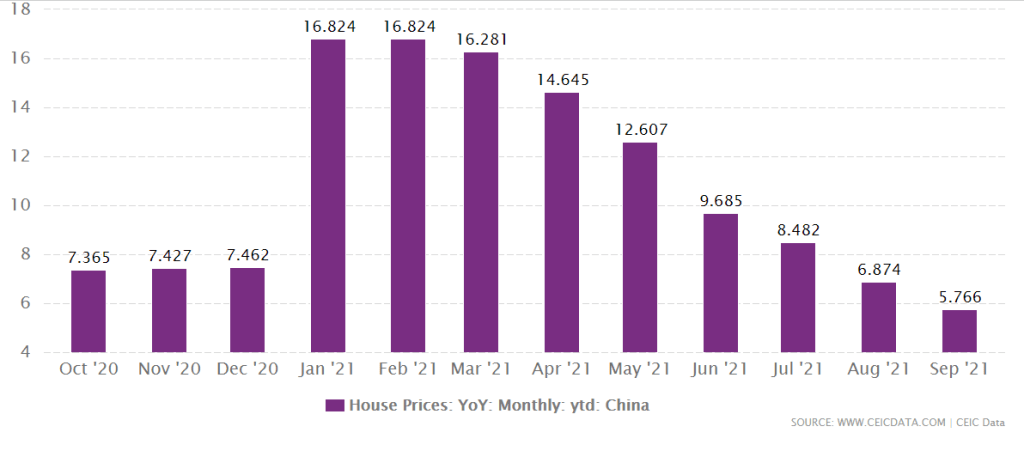
    The Chinese property market has been shaking in recent months by the debt crisis at Evergrande and other firms showing signs of financial insecurity. The key driver behind what we are seeing in the market is a decrease in confidence in both prospective property buyers and real estate developers.

    Problems are only getting worse. The latest data shows that the price of new properties saw its biggest month-on-month drop since October of 2015, slipping down 9.2%. Chinese families tend to avoid real estate purchases when prices are falling, which can result in lower sales and further price declines.

    Beijing’s recent announcement of a property tax to discourage the buying of houses as an investment opportunity will damage the sales sentiment more. Fewer homes are being built as compared to the previous year. Construction statistics are down 7.7%.

    China’s economy is slowing to the lows seen long back in the 1990s — a price President Xi Jinping is willing to pay to reduce the dependence on the real estate sector. The Chinese property market which accounts for about one-fourth of GDP has declined sharply since May, as many developers like Evergrande are facing a liquidity crunch due to the government’s decision to stop them from funding projects off leveraged capital.

    At the same time, Beijing is concerned about risks to social stability if constructors are unable to finish pre-sold projects, so, officials will try to ensure existing projects are finished. That means overall investment in property can grow next year onwards even if sales decline.

    THE GREAT RESIGNATION

    The American workforce is rapidly changing. In August, 4.3 million workers quit their jobs, a record 20-year high, what many are calling “the Great Resignation.” People are re-evaluating what they want to do with their lives and what work actually means to them. Since the pandemic took hold, thousands of workers lost their jobs in certain sectors, and many aren’t returning.

    A lot of baby boomers have retired early during the pandemic because of concerns about COVID. Others have seen big gains from the stock market or housing prices going up a ton and so they’re in a comfortable financial situation.

    But many of the workers who are leaving jobs aren’t leaving the workforce entirely. A lot of people are quitting their jobs, maybe because they’ve experienced burnout during the pandemic, or they’re just looking to explore other opportunities. And an increasing number of these workers are switching jobs. If you’re seeing workers switch from one industry to another it’s oftentimes because they can get better pay or better working conditions.

    Some industries were doing really well before the pandemic started and the pandemic only helps them, anything related to science and research and development was growing strongly before the pandemic started and then, after you had demand for vaccines and so that definitely creates a lot of jobs.

    E-commerce is really taken off and that’s created a lot of jobs at warehouses and storage facilities. So have courier and messenger services.

    The weaker job growth in travel-related sectors is probably a reflection of both companies’ inability to find workers but also weaker demand for travel-related services. Transit and ground passenger transportation jobs also saw a huge hit.

    According to a study, 2 1/2 million people retired during the pandemic, about twice as many as in 2019. And that approximately 1.5 million of these workers would not have retired if the pandemic had not happened.

    Central Bank Digital Currency

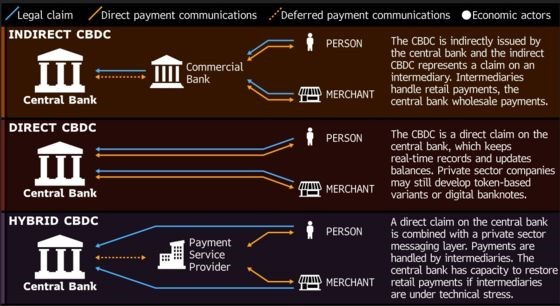
    CBDC stands for Central Bank Digital Currency which refers to the virtual form of a fiat currency which will be issued and regulated by an economy’s central bank or the monetary authority.

    They are backed by the full faith and credit of the issuing government which, similar to paper currency will appear in their balance sheet as a liability. CBDCs can simplify the implementation of monetary and fiscal policies and promote financial inclusion in an economy by bringing the unbanked into the financial system.

    It is a virtual currency that cannot be compared with the cryptocurrency which has mushroomed over the last decade as the latter doesn’t have an intrinsic value.

    CBDC has lucid advantages over the existent digital payments systems as they will be final and reduce the possibility of settlement risk as it will be equivalent to handing over the cash. It will enable more real-time and economic globalization of payment gateways.

    Moreover, it will seek to meet the public’s demand and need for unregulated private virtual currencies (cryptocurrencies) and thereby, avoid them from their damaging consequences.

    Lastly, this will make the issuance of currency efficient and quick using cryptography and a public ledger as authorities will no longer depend on the paper/polymer and ink, further reducing the possibility of circulation of counterfeit notes or using the currency for illicit activity and illegal transactions.

    Although they aren’t formally being used, many countries are exploring the possibility of the introduction and use of CBDCs.