
– by Shantnu
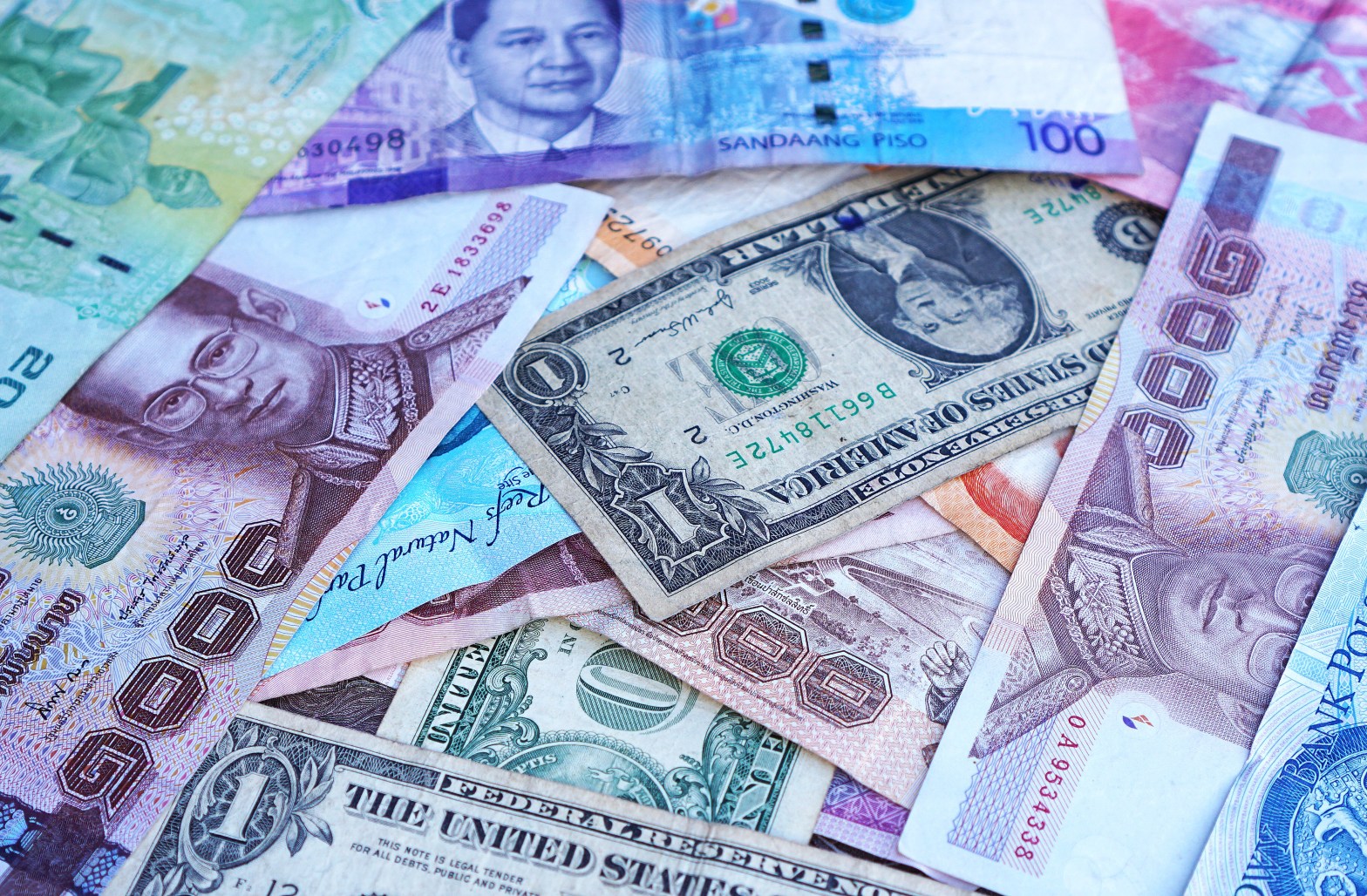
The interchange rate between two countries specifies what quantity one currency is worth in terms of the opposite. As an example, a rate of ₹75 to US dollar means 75 Indian rupees are worth the $1.
Currency quotes may be made in relation to both currencies. Like, in India, the rate of exchange of the dollar will be quoted as ₹75 for $1 or ₹1 for $0.0134.
When the quote is formed in terms of one foreign currency being equal to numerous currencies, it is called a direct quote with relevance to the native country, which is followed by the majority. When the quote is given the other way round, that is, one home currency being adequate to many foreign currencies, it’s called an indirect quote.
Largest Financial Market
A foreign exchange market exists wherever one currency is traded for an additional. It’s out and away the biggest financial market within the world, with mean estimated trading of about $3 trillion every day. Individual traders form a minute fraction of this trade, which is dominated by large banks, multinational corporations, and governments.
Every country manages its currency with relevance to foreign currencies and therefore with the forex market, namely Exchange Rate Regime.
Types of Exchange Rates
The floating rate is the commonest regime today in which the market dictates the movements of the rate of exchange. Yen, Dollar, Euro etc., are samples of float currencies.
Another regime is ‘pegged float’, where the financial organizations of the country keep deviation too aloof from a target band.
In a fixed exchange regime, the native currency is tied to the currency of another country where the rate of exchange will remain fixed.
Market Mechanism
Currency prices are driven by supply and demand forces. A currency will become more valuable when the demand for it’s greater than the available supply. It’ll decrease in worth when the availability is more than the demand. This doesn’t mean that individuals won’t want money; it just implies that they will be willing to hold their wealth in another currency.
The ever-changing current events have an enormous influence on the forex market. The demand and provide of currencies aren’t dependent on any single element. Political conditions, market psychology and economic factors are the three broad categories of elements that affect it.
Diverse Determinants
Internal, regional and international political events and conditions can have control on currency markets. For instance, political instability can harm the nation’s currency. Events in one country may spur positive or negative effects in an adjacent one. Unsettling international events can lead investors to manoeuvre to a safer place. Then there’ll be greater demand for the currencies of these countries, which will end in a price rise.
Currency markets take a look at a long-term price trend that rises from economic and political factors. Investors scrutinize the relevance of ‘outside events’ to currency prices. Because of this, rumours play a pivotal role in currency pricing.
It is an inclination for the worth of a currency to reflect the impact of a selected action before it occurs. When the anticipated events don’t occur, the market reacts in the alternative manner. The economic numbers of countries like cash in hand, inflation, employment, and trade gap, may become important to promote psychology and might have an on the spot impact on the forex rate.
Economic policies like government and monetary policy also affect the rate. The exchange market reacts negatively to a widening government deficit and positively to a narrowing one. Countries’ artefact and services indicates the demand for a country’s currency to conduct trade and a deficit or a surplus reflects the competitiveness of a nation’s economy. Trade surplus may have a positive effect on the country’s currency while a deficit can have the other effect.
A currency will lose value if the inflation in a country is high or it seems to be rising. Inflation will decrease the purchasing power of the currency, which, in turn, will decrease the demand for the currency.
Forex Risk
Companies which do international business with different currencies face a financial risk, thanks to the fluctuating rate, called the ‘foreign exchange risk’.
For example, a corporation in India accepts a project from an American company for $100,000. The Indian company expects a rate of exchange of ₹75 to a dollar (total converted figure of ₹75 lakh). Let’s say, the corporate budgets for an expense of ₹70 lakh and expects to form a profit of ₹5 lakh. After completion of the project, at the time of receiving the cash, let’s say the charge per unit falls to ₹72 to a dollar. while the corporate gets $100,000, after the exchange, it’ll realize ₹72 lakh only. Now the profit that the corporate has made has reduced to ₹2 lakh. The corporate can even make a loss if the charge per unit falls below ₹70 to a dollar. Such is the volatility and uncertainty that marks the globe of currency trading.
The Bottom Line
A focus on comprehending the macroeconomic fundamentals steering currency values and knowledge with technical analysis helps forex traders to become lucrative. For traders—especially those with limited funds—day trading in small amounts is simpler within the forex market than others. For those who are in for the long haul and with bigger funds, long-term fundamentals-based trading will be fruitful.
Reference: https://www.investopedia.com/articles/forex/11/why-trade-forex.asp

 OneVoice